Why Gas Appliances Need Altitude Adjustment in Utah (And What Happens When They Don't)
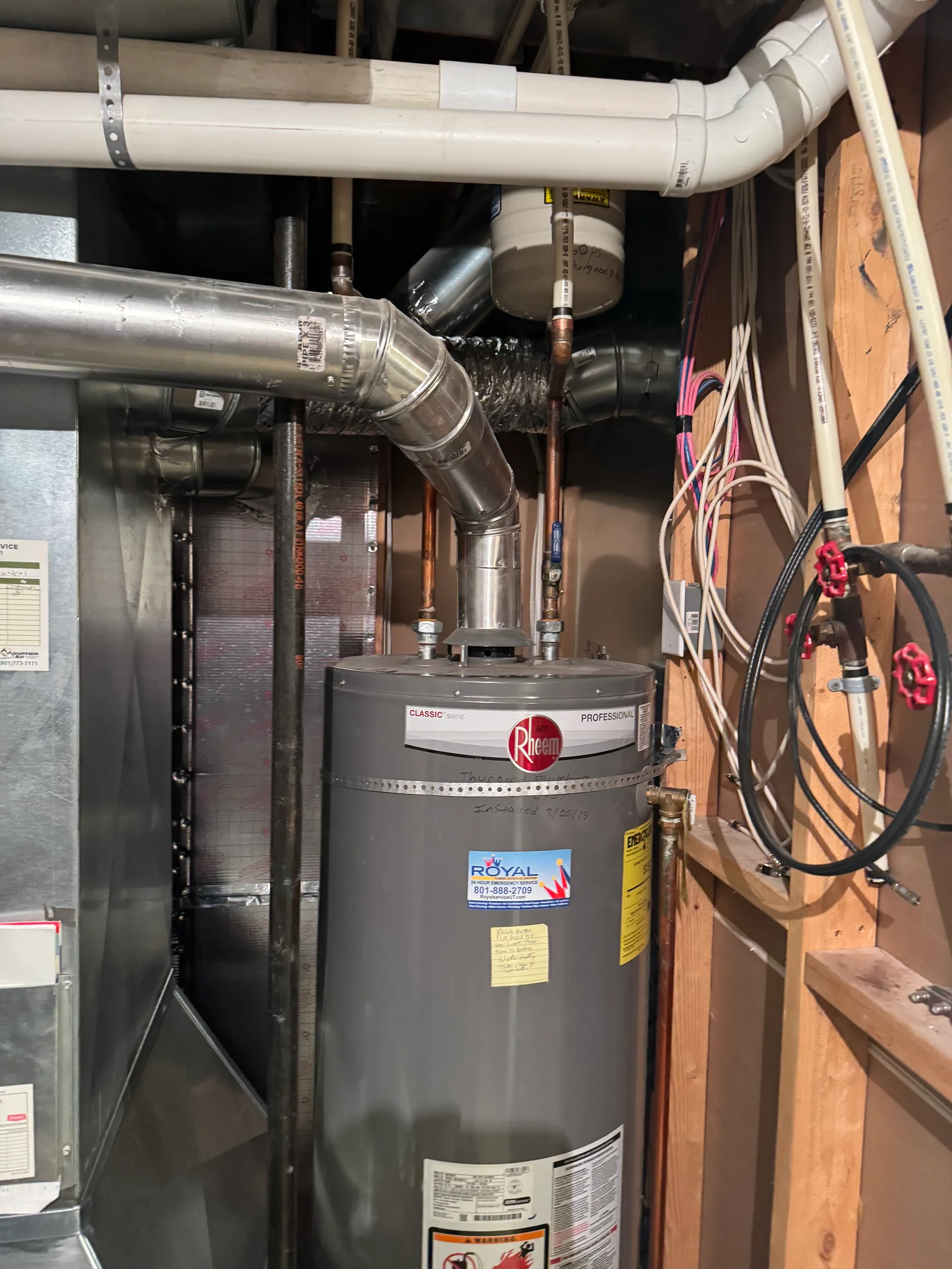
If you have moved to Northern Utah from a lower-elevation state, there is something about your gas appliances that nobody probably mentioned during closing: they do not work the same way up here. The physics of combustion changes with altitude, and along the Wasatch Front we are not talking about a trivial difference. Farmington sits at roughly 4,200 feet. Layton and Bountiful hover around 4,300 to 4,500 feet. Head up to Heber City and you are at 5,600 feet. Park City clears 7,000 feet.
Every one of those elevations affects how your furnace, water heater, gas range, and tankless unit burns fuel. And when the adjustment is not done correctly, the consequences range from wasted money to carbon monoxide poisoning.
Key Takeaways
- The Wasatch Front ranges from 4,200 to 5,500 feet in elevation, with Park City exceeding 7,000 feet — all well above the threshold where gas appliance performance is affected.
- Gas appliances must be derated by 4% for every 1,000 feet above sea level; a furnace in Park City needs a 28% reduction in input rating.
- Incorrect altitude settings cause incomplete combustion, which produces carbon monoxide — a colorless, odorless gas that mimics flu symptoms at low exposure levels.
- Tankless water heaters have DIP switches or firmware parameters that must be set to the correct altitude range during installation, and incorrect settings cause short-cycling and error codes.
- CO detectors are essential near all gas appliances in Utah homes, with units required within 10 feet of every bedroom, near the mechanical room, and on every level of the home.
The Basic Problem: Less Oxygen, Less Combustion
At sea level, air is dense and rich with oxygen. A gas burner rated at 100,000 BTU at sea level can pull in all the oxygen it needs to burn natural gas completely. At altitude, the air is thinner. There are fewer oxygen molecules per cubic foot. The burner is still trying to push the same volume of gas through its orifice, but now there is not enough oxygen to fully combust that fuel.
The industry standard for altitude derating is straightforward: reduce the input rating by 4 percent for every 1,000 feet above sea level. That means a furnace in Farmington at 4,200 feet should be derated by roughly 17 percent. In Park City at 7,000 feet, you are looking at a 28 percent reduction.
Here is what that looks like in practice:
- 100,000 BTU furnace at sea level produces 100,000 BTU of heat input
- Same furnace in Farmington (4,200 ft): should be derated to roughly 83,000 BTU
- Same furnace in Heber City (5,600 ft): roughly 78,000 BTU
- Same furnace in Park City (7,000 ft): roughly 72,000 BTU
Altitude Derating by Northern Utah City
| City | Elevation | Approximate Derating | 100,000 BTU Furnace Output |
|---|---|---|---|
| Farmington | 4,200 ft | ~17% | ~83,000 BTU |
| Salt Lake City | 4,300 ft | ~17% | ~83,000 BTU |
| Provo | 4,550 ft | ~18% | ~82,000 BTU |
| Heber City | 5,600 ft | ~22% | ~78,000 BTU |
| Park City | 7,000 ft | ~28% | ~72,000 BTU |
If the appliance has not been adjusted, it is over-fueled for the available oxygen. The result is incomplete combustion, and incomplete combustion produces carbon monoxide.
What Altitude Derating Actually Involves
The specific adjustment depends on the type of appliance.
Furnaces and Boilers
Most modern furnaces sold in Utah already come with high-altitude orifices or have adjustable gas valves. The installer is supposed to verify the altitude at the installation address and make the appropriate adjustment. On many units, this means swapping out the gas orifice for a smaller one that meters less fuel per hour. On modulating furnaces, the control board may need a parameter change.
The key word there is “supposed to.” We regularly encounter furnaces in Northern Utah homes where the installer used the default sea-level settings. The homeowner never knows because the furnace still lights and still heats the house. It just does so with a lazy, yellow-tipped flame instead of a crisp blue one, produces more carbon monoxide than it should, and wears out the heat exchanger faster.
Tank Water Heaters
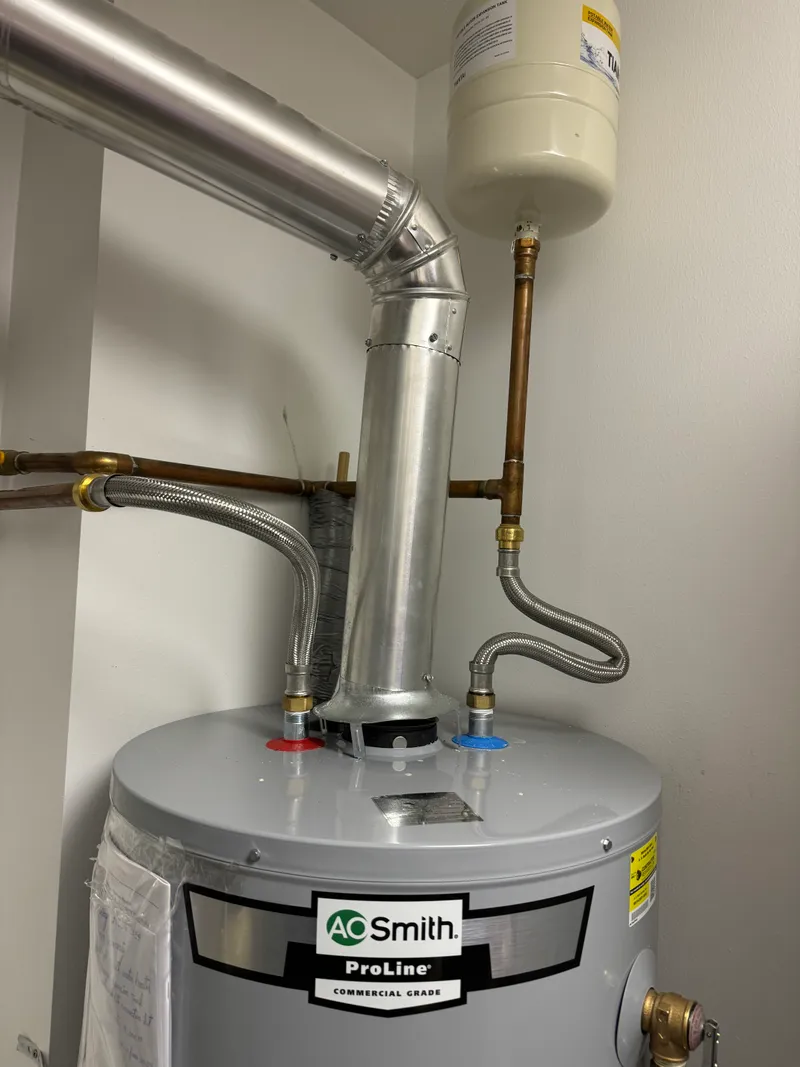
Standard tank water heaters are simpler. The gas valve is typically factory-set, and altitude adjustment means installing the correct orifice for the elevation. Many manufacturers ship units to Utah distributors with high-altitude kits already included, but it is the installer’s job to verify. A 40,000 BTU residential water heater at 5,000 feet should be running at approximately 32,000 BTU.
Tankless Water Heaters
This is where altitude adjustment gets more interesting and where we see the most problems. Modern tankless units from Rinnai, Navien, Noritz, and others have electronic controls that manage the gas-to-air ratio in real time. Altitude adjustment on these units is done through DIP switches on the circuit board, firmware settings accessed through the control panel, or a combination of both.
Each manufacturer handles it differently. Rinnai units, for example, have a set of DIP switches that correspond to altitude ranges. Navien units may require a parameter change through the front panel menu. The installer needs to know the specific procedure for the specific model at the specific altitude.
When a tankless unit is not altitude-adjusted, the symptoms are distinctive: the unit may short-cycle (fire up and shut down repeatedly), produce error codes related to flame detection, run at reduced capacity, or simply fail to modulate properly. We have seen units in Park City that were installed with the default sea-level DIP switch settings, and the homeowner spent two years thinking tankless water heaters were just unreliable before calling us for a second opinion.
Combustion Air Requirements at Altitude
This is the part most homeowners have never heard of, and it is critically important.
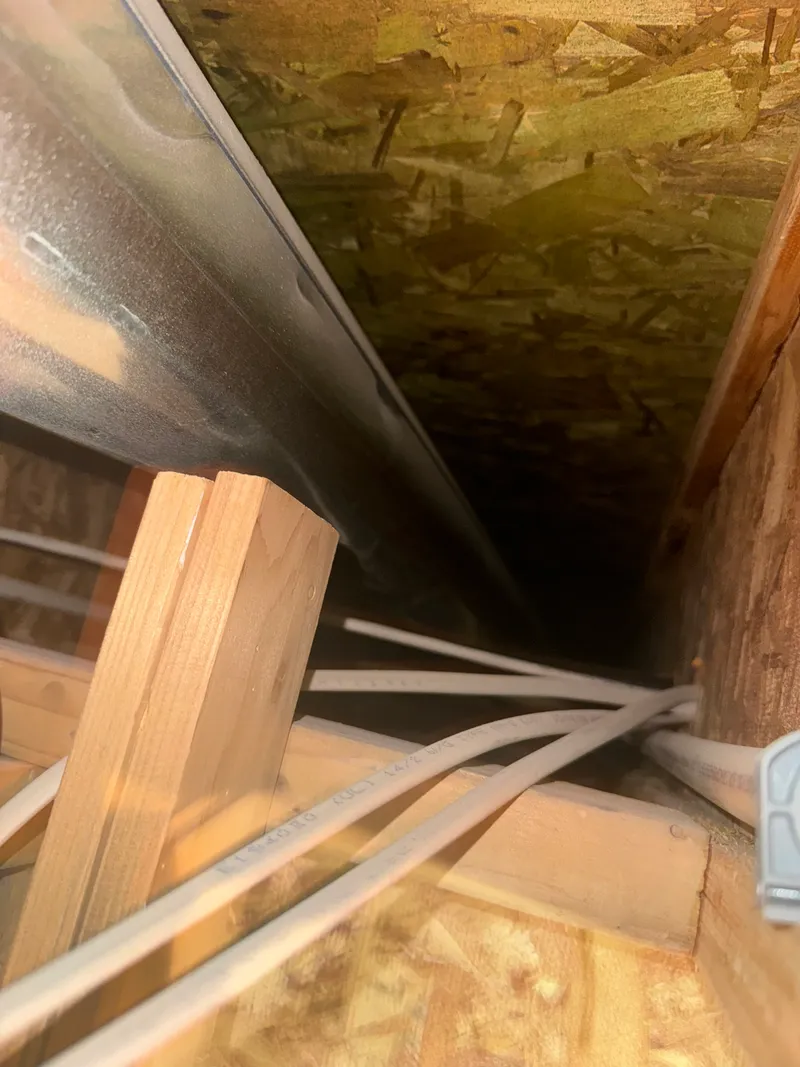
Gas appliances need combustion air — fresh air supplied to the burner so it has enough oxygen to burn fuel. Building codes specify how much combustion air a mechanical room needs, and the formula changes with altitude.
At sea level, the standard is 1 square inch of combustion air opening per 4,000 BTU/hr of total connected gas appliance input in the space. At altitude, that requirement tightens. In Northern Utah, the commonly applied figure is 1 square inch per 3,000 BTU/hr. That is 33 percent more combustion air opening than you would need at sea level.
What does this mean practically? If you have a 60,000 BTU furnace and a 40,000 BTU water heater in your utility room (100,000 BTU total), you need roughly 33 square inches of combustion air opening at our elevation, compared to 25 square inches at sea level. That is the difference between one properly sized duct and two.
We see this problem most often in finished basements where a homeowner or contractor enclosed the mechanical room without providing adequate combustion air. The appliances starve for oxygen, combustion quality degrades, and the space can develop negative pressure that back-drafts exhaust gases into the living area.
Signs your mechanical room may be short on combustion air:
- Flame on the water heater or furnace is yellow or orange instead of blue
- You smell a faint odor when the furnace or water heater fires
- The water heater pilot light goes out periodically
- A nearby door slams shut when the furnace kicks on (negative pressure)
- Soot or discoloration around the draft hood on a natural-draft water heater
Tankless Venting at Altitude
Venting a tankless water heater is more demanding than venting a standard tank unit, and altitude makes it worse. Tankless units produce a concentrated, high-temperature exhaust stream. The vent pipe must be sized, routed, and terminated according to strict manufacturer specifications.
At altitude, the exhaust gases are thinner and less buoyant. This affects how well the vent drafts. Horizontal vent runs need to maintain a minimum slope. Total equivalent vent length (accounting for elbows, which add resistance) must stay within the manufacturer’s limits. And those limits shrink at altitude.
A vent run that would be perfectly acceptable in Houston may be too long or have too many elbows for Park City. The result is poor draft, condensation inside the vent pipe, premature corrosion, and potential exhaust spillage.
If you have a tankless water heater and you are noticing condensation dripping from the unit or staining around the vent termination on the exterior of your house, have the venting evaluated. Especially if the unit was installed by someone unfamiliar with high-altitude requirements.
The Carbon Monoxide Reality
We need to talk plainly about carbon monoxide because altitude-related combustion problems and CO go hand in hand.
Carbon monoxide is produced whenever natural gas or propane burns incompletely. At sea level with proper adjustment, a well-maintained appliance produces minimal CO. At altitude with incorrect adjustment, insufficient combustion air, or compromised venting, CO production goes up significantly.
CO is colorless and odorless. Symptoms of low-level exposure mimic the flu: headache, nausea, fatigue, dizziness. Many people in Utah experience these symptoms during winter and attribute them to illness rather than a malfunctioning appliance in a poorly ventilated utility room.
Every home with gas appliances needs CO detectors. This is not optional. Utah law requires CO alarms in new residential construction, but many older homes along the Wasatch Front still do not have them. At minimum, you should have:
- A CO detector within 10 feet of every bedroom
- A CO detector in or near the mechanical room where your gas appliances are located
- A CO detector on every level of the home
If your water heater is in an enclosed closet, a finished basement room, or a garage, a CO detector in that space is essential. This is especially true if the water heater is a natural-draft unit (one without a powered exhaust fan) because these rely on the buoyancy of hot exhaust gases to pull combustion byproducts up the flue. At altitude, that buoyancy is reduced.
Specific Scenarios We See Along the Wasatch Front
Farmington, Kaysville, and Layton (4,200-4,400 ft): These lower Wasatch Front communities are right at the threshold where altitude adjustment starts to matter significantly. We find many homes where appliances were installed without any altitude modification, and the homeowner has been running them that way for years. The furnace works, the water heater works, but the heat exchangers age prematurely and CO levels in the mechanical room are higher than they should be.
Park City and Summit County (6,800-7,200 ft): This is where altitude adjustment is absolutely non-negotiable. We have seen brand-new construction in Snyderville Basin where the plumber or HVAC installer was from out of the area and did not adjust anything. At 7,000 feet, you are losing 28 percent of rated capacity. A tankless water heater that is not adjusted for this altitude will either error out repeatedly or run in a degraded mode that shortens its lifespan dramatically.
Heber City and the Heber Valley (5,600 ft): A rapidly growing area with a mix of new construction and older homes. The newer homes generally have correctly adjusted appliances, but we see issues in remodels where a homeowner replaces their own water heater with a big-box unit and installs it without altitude adjustment.
What You Should Do
If you are buying a new gas appliance or having one installed:
- Make sure your installer knows the exact elevation of your home. “Northern Utah” is not specific enough — there is a 2,800-foot difference between Farmington and Park City.
- Ask specifically about altitude derating. A good installer will mention it without being asked. If they look confused, that is a red flag.
- For tankless units, ask which DIP switches or parameters were set and what altitude range they correspond to.
- Verify that your mechanical room has adequate combustion air for the altitude.
If you already have gas appliances and are not sure about their altitude adjustment:
- Check your CO detectors. If you do not have any, install them immediately.
- Look at the flames on your water heater or furnace (if visible). They should be predominantly blue with small yellow tips at most. Lazy, mostly yellow flames suggest incomplete combustion.
- Schedule a combustion analysis. A technician with a combustion analyzer can measure the CO levels in the flue gas, the oxygen content, and the combustion efficiency, and tell you definitively whether your appliances are properly adjusted.
This is not an expensive or complicated service call. It is one of the most cost-effective things you can do to protect your family’s safety and extend the life of your equipment.
The Bottom Line
Utah’s elevation is one of the things that makes living here unique, but it also creates real requirements for gas appliance installation that do not exist in most of the country. Altitude derating, combustion air sizing, and proper venting are not optional upgrades — they are safety requirements.
If you are unsure whether your gas appliances were properly adjusted for your elevation, or if you need a new installation done right, our team works across the Wasatch Front from Farmington to Heber City and up to Park City. We carry combustion analyzers on every service vehicle and altitude-adjust every gas appliance we install.
Have questions about your gas appliances or need a combustion safety check? Contact our HVAC team or plumbing department to schedule a visit. You can also call us directly at (385) 401-9490.
Topics