Northern Utah's Hard Water Problem: Why Every Home Needs a Water Softener
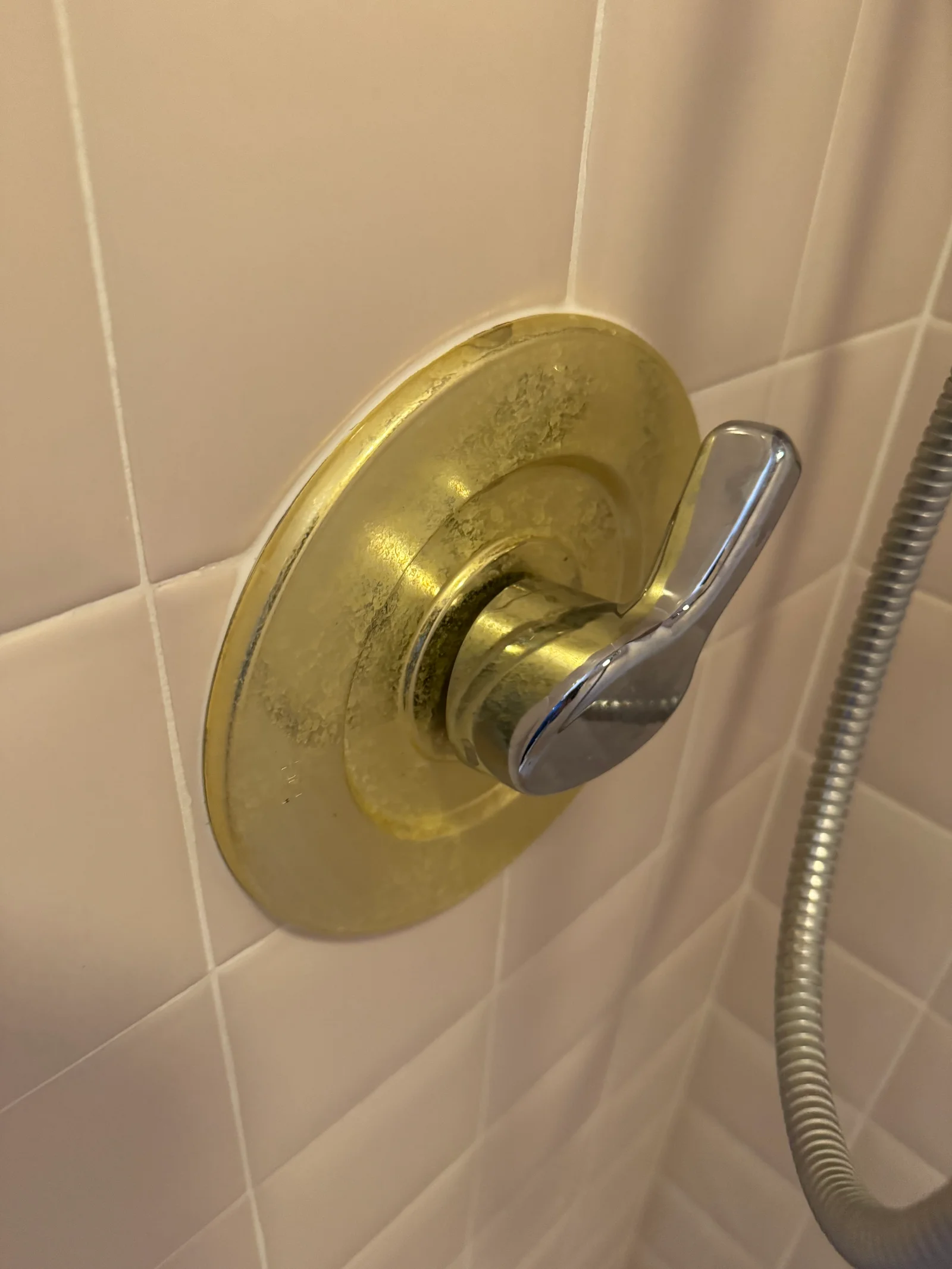
If you’ve lived in Northern Utah for any length of time, you’ve seen the white crusty buildup on your faucets and showerheads. You’ve noticed the spots on your glasses after running the dishwasher. You’ve probably scrubbed at that ring in the toilet bowl more times than you’d like to admit. That’s hard water at work — and in our part of the country, it’s not a minor inconvenience. It’s a serious threat to your plumbing system, your appliances, and your wallet.
I’ve been a plumber along the Wasatch Front for years, and I can tell you that the majority of the service calls I respond to — failed water heaters, leaking pipes, seized valves, clogged fixtures — trace back to one root cause: mineral scale from our extraordinarily hard water. This article explains why Northern Utah’s water is so hard, what it’s actually doing inside your walls right now, and why a water softener isn’t a luxury here. It’s mandatory infrastructure.
Key Takeaways
- Northern Utah water hardness ranges from 12 to 33+ grains per gallon (gpg), with Riverton measuring approximately 574 ppm (~33 gpg) — among the hardest municipal water in the country.
- Hard water cuts water heater lifespan nearly in half, from a normal 12-15 years down to 6-9 years without a softener.
- A whole-house water softener costs $1,500-$3,500 installed and lasts 15-20 years — it pays for itself with the first water heater it saves.
- Scale buildup narrows pipes, seizes shut-off valves, and shortens the life of dishwashers, washing machines, and fixtures across the home.
Why Northern Utah Water Is So Hard
To understand the problem, you need a quick geology lesson. The entire Wasatch Front — from Ogden down through Layton, Bountiful, Salt Lake City, Murray, Riverton, and south to Provo — sits on the ancient lakebed of Lake Bonneville. Tens of thousands of years ago, this was one of the largest freshwater lakes in North America. As it evaporated and receded, it left behind massive deposits of calcium carbonate and magnesium in the soil and bedrock.
Every drop of water that flows through our municipal systems passes through or over those deposits. The result is water hardness levels that rank among the highest in the entire United States.
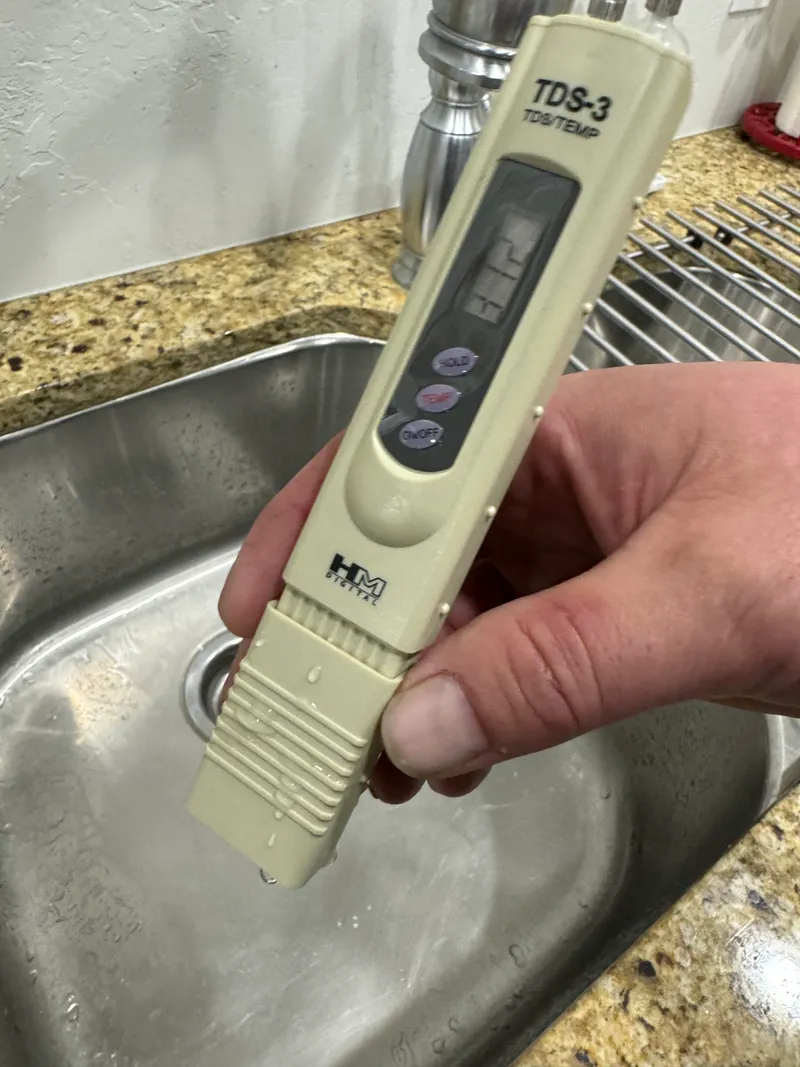
Water hardness is measured in grains per gallon (gpg) or parts per million (ppm). The Water Quality Association classifies anything above 10.5 gpg as “very hard.” Here’s where Northern Utah cities typically fall:
- Riverton: Approximately 574 ppm (~33 gpg) — among the hardest municipal water in the country
- Salt Lake City: 12-18 gpg depending on the source and time of year
- Layton / Davis County: 14-22 gpg
- Ogden / Weber County: 12-20 gpg
- Provo / Utah County: 14-20 gpg
For context, most water treatment recommendations consider anything above 7 gpg worth treating. We’re running double to triple that in most neighborhoods. When customers in Riverton or Herriman tell me their water heater failed after six years, I’m not surprised at all. I’d actually be impressed it lasted that long.
What Hard Water Is Doing to Your Water Heater
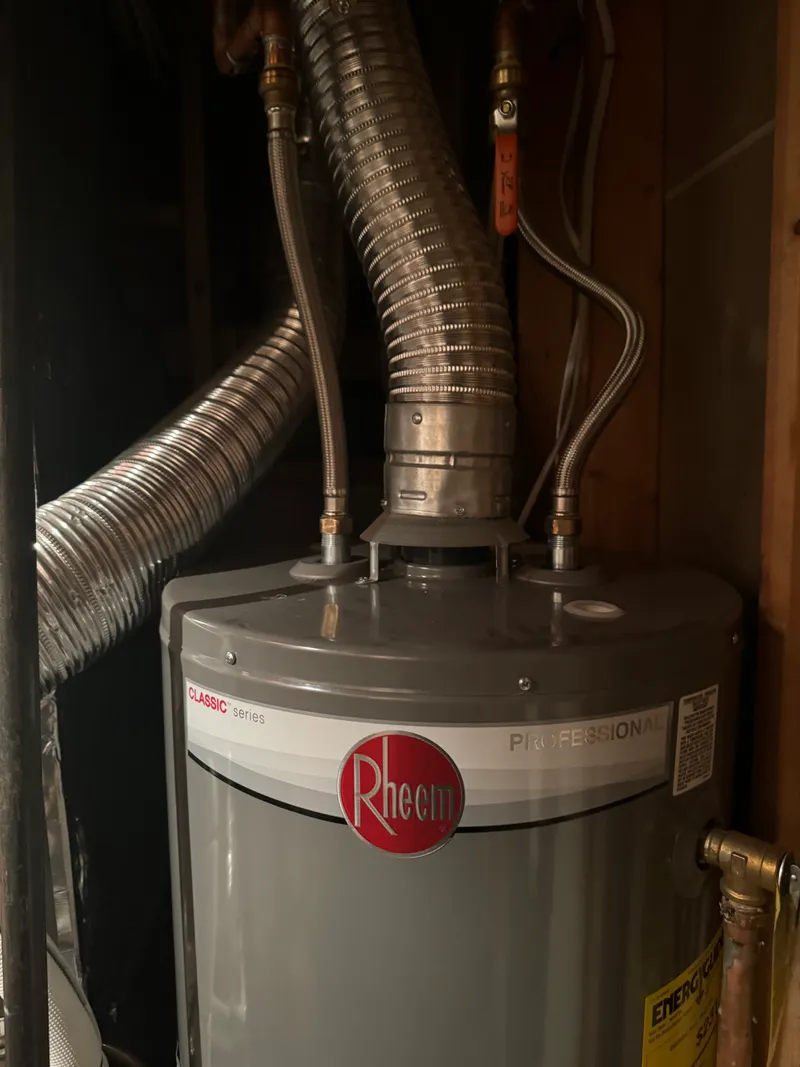
Your water heater is the single most expensive casualty of hard water, and it’s the one I see fail prematurely more than any other appliance. Here’s what’s happening inside it right now if you don’t have a softener.
Every time your water heater fires, it heats water from the bottom of the tank. As the water temperature rises, dissolved calcium and magnesium precipitate out of solution and settle to the bottom as a layer of calcium carbonate — what plumbers call scale. In Northern Utah water, this happens fast. We’re talking a visible layer within months, and an inch or more within a couple of years.
The popping and rumbling sounds. If you’ve heard your water heater making popping, crackling, or rumbling noises, that’s not normal settling. That’s steam. The scale layer on the bottom of the tank acts as insulation between the burner and the water. The burner heats the scale, water trapped underneath the scale flashes to steam, and those steam bubbles pop through the scale layer. That’s the noise you’re hearing. It means your water heater is already working significantly harder than it should be, burning more gas to push heat through a mineral barrier to reach the actual water.
Premature tank failure. A quality tank water heater should last 12-15 years. In Northern Utah without a softener, I consistently see them fail in 6-9 years. The scale buildup causes the burner to overheat the bottom of the tank, which accelerates corrosion of the glass lining. Once that lining cracks, the steel tank rusts from the inside. You get a leak — usually on a weekend, usually when you’re not home — and suddenly you’ve got 40-50 gallons of water on your basement floor.
The anode rod problem. Every tank water heater has a sacrificial anode rod designed to corrode in place of the tank itself. In hard water, these rods get consumed much faster. If you’re not replacing it every 2-3 years in our water (most homeowners don’t even know they exist), you lose that protection years before the tank should fail.
If you have a water heater that’s more than 6 years old and you’ve never had a softener, it’s worth having it inspected. I’ve pulled water heaters where the bottom two inches of the tank were solid rock.
Tankless Water Heaters Are Not Immune
A lot of homeowners switch to tankless water heaters thinking they’ll avoid the scale problem. They won’t. In fact, tankless units can be even more vulnerable.
Tankless heaters work by passing water through a heat exchanger with very narrow passages. Scale builds up inside those passages, reducing flow and heat transfer efficiency. Most manufacturers require annual descaling in hard water areas — and Northern Utah absolutely qualifies. If you skip it, you’ll void your warranty and eventually crack the heat exchanger, which is a repair that often costs more than the unit is worth.
Proper installation of a tankless heater in our area requires isolation valves and service ports so the unit can be flushed with a descaling solution (usually food-grade white vinegar circulated with a pump). If your installer didn’t put those in, they cut a corner that’s going to cost you. A water softener upstream of the tankless unit is the best protection, but you still need those service valves for periodic maintenance.
The Damage You Can’t See: Inside Your Pipes
Hard water doesn’t just affect appliances. It’s slowly narrowing and corroding your pipes.
Copper pipe pinhole leaks. This is one of the most expensive problems I deal with in older Northern Utah homes. Hard water, especially when it’s also slightly acidic or has high chlorine content, causes pitting corrosion on the inside of copper pipes. Over 15-25 years, those pits eat all the way through, creating pinhole leaks. I’ve seen homes in Salt Lake City’s east side neighborhoods — Sugar House, the Avenues, Millcreek — where homeowners are dealing with multiple pinhole leaks in their supply lines. Each one is a patch job, and eventually you’re looking at a full repipe.
Scale restriction in supply lines. Even without pinhole leaks, scale deposits gradually narrow the inside diameter of your pipes. A 3/4” supply line might effectively become a 1/2” line after years of buildup. You’ll notice it as gradually declining water pressure, especially at fixtures farthest from the water main.
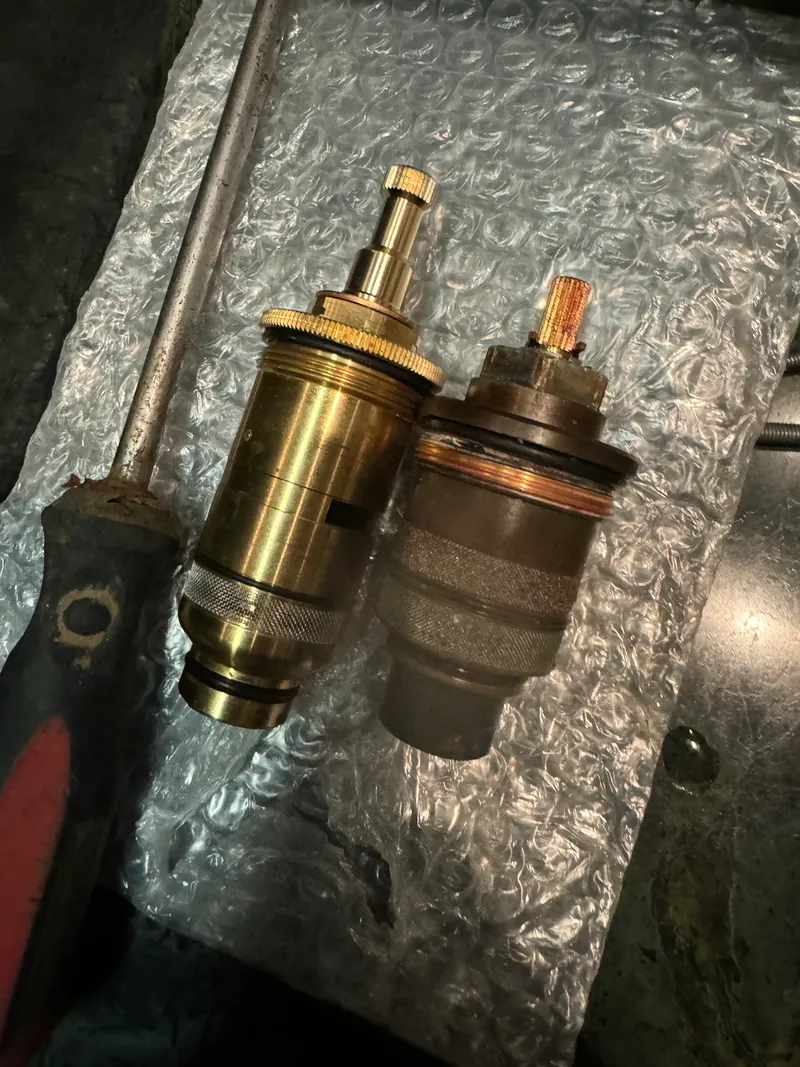
Seized shut-off valves. This one catches people at the worst possible time. Every fixture in your home — every toilet, every sink, every washing machine — has a shut-off valve. In an emergency, you need those valves to work. Hard water deposits calcium inside valve bodies, and if you don’t exercise them occasionally, they seize completely. I can’t count how many times I’ve responded to a plumbing emergency where the homeowner couldn’t stop the water because the shut-off valve under the sink was completely frozen with calcium buildup. Now a simple fix becomes water damage.
Turn your shut-off valves a quarter turn and back once or twice a year. It takes two minutes and could save you thousands.
Appliance Lifespan: The Numbers
Hard water shortens the life of virtually every water-using appliance in your home:
| Appliance | Expected Lifespan | With Hard Water (No Softener) |
|---|---|---|
| Tank Water Heater | 12-15 years | 6-9 years |
| Tankless Water Heater | 20+ years | 10-15 years (without descaling) |
| Dishwasher | 10-12 years | 6-8 years |
| Washing Machine | 10-14 years | 7-10 years |
| Faucets/Fixtures | 15-20 years | 8-12 years |
When you add up the cost of replacing a water heater early ($1,200-$2,500 installed), a dishwasher ($500-$1,200), and various fixtures, the math overwhelmingly favors installing a water softener. A quality whole-house softener costs $1,500-$3,500 installed and lasts 15-20 years. It pays for itself in the first water heater it saves.
What a Water Softener Actually Does
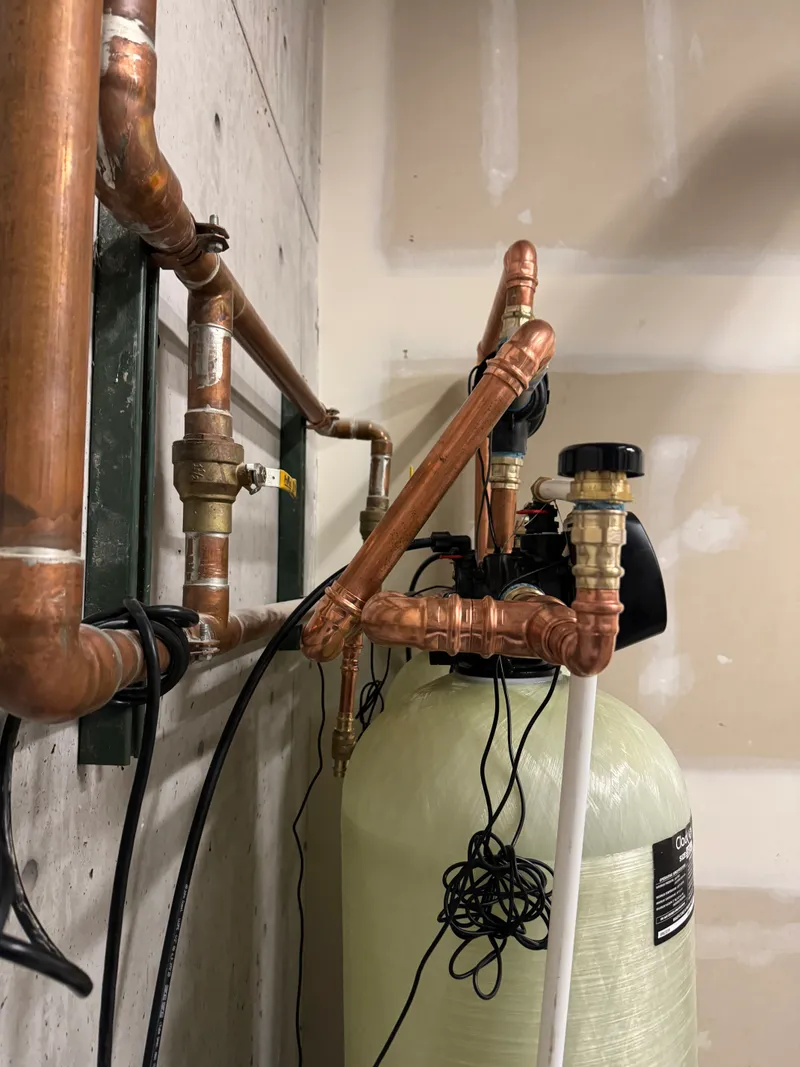
A water softener uses ion exchange to swap calcium and magnesium ions for sodium ions. The water passes through a tank of resin beads that attract and hold the hardness minerals, releasing a small amount of sodium in exchange. Periodically, the system regenerates by flushing the resin with a salt brine solution, washing the collected minerals down the drain.
For Northern Utah’s hardness levels, you want a system sized appropriately for your household — typically 32,000 to 64,000 grain capacity for a family of 3-5 people. The system will use about 40-80 pounds of salt per month depending on your water usage and hardness level. That’s roughly $5-10 per month in salt — a fraction of what you’ll spend on premature appliance replacement without one.
A few things to know:
- Salt-free “softeners” are not softeners. They’re scale conditioners or template-assisted crystallization (TAC) systems. They may reduce scale buildup in some conditions, but they do not remove hardness minerals from the water. In Northern Utah’s extreme hardness, I’ve seen these systems fail to provide meaningful protection. A true ion-exchange softener is what you need here.
- Reverse osmosis at the kitchen sink. If you’re concerned about sodium in your drinking water from the softener, a small under-sink RO system solves that completely and gives you excellent drinking water. Many of our customers pair a whole-house softener with a kitchen RO system.
- Softened water and outdoor use. Don’t run softened water to your hose bibs or irrigation system. The sodium isn’t good for soil or plants. Your installer should bypass outdoor spigots.
Signs You Need to Act Now
If any of these sound familiar, your hard water is already causing damage:
- White, chalky buildup on faucets, showerheads, and around drain openings
- Spots and film on glasses and dishes after the dishwasher
- Popping or rumbling from your water heater
- Declining water pressure that seems to get worse over time
- Stiff, scratchy laundry even with good detergent
- Dry skin and hair — hard water prevents soap from lathering and rinsing properly
- Frequent fixture repairs — cartridges wearing out, aerators clogging
- Water heater failing before 10 years old
If your home is more than a few years old and has never had a softener, there’s existing scale in your pipes and appliances right now. A softener won’t remove existing buildup (though it will stop further accumulation), so the sooner you act, the more of your plumbing system’s lifespan you preserve.
Frequently Asked Questions
How do I find out exactly how hard my water is? Your municipal water provider publishes an annual water quality report (Consumer Confidence Report). You can usually find it on their website. For a more precise reading at your specific tap, any plumber or water treatment company can test a sample in minutes. We’re happy to test yours when you call — it’s quick and straightforward.
Will a water softener fix my water heater that’s already making noise? A softener will stop further scale buildup, but it won’t remove the scale that’s already in the tank. If your water heater is already popping and rumbling, it’s worth having it inspected. In some cases, a professional flush can remove loose sediment. But if the tank is heavily scaled, it may be near the end of its useful life. The softener will protect the next one.
Is softened water safe to drink? For most people, yes. The amount of sodium added is relatively small — roughly 30-50 mg per liter at our hardness levels, which is well below what you’d get from a slice of bread. However, if you’re on a strict sodium-restricted diet, use an RO filter at the kitchen tap, or simply bypass the kitchen cold water line from the softener.
How much maintenance does a water softener require? Minimal. Keep the salt tank filled (check it monthly, add salt as needed), and have the system inspected every few years. The resin bed can last 10-20 years before needing replacement. It’s far less maintenance than dealing with the consequences of hard water.
Protect Your Home
Northern Utah’s hard water is a fact of life — it’s baked into the geology of where we live. But the damage it causes to your plumbing system is entirely preventable. A properly sized and installed water softener is the single best investment you can make in the longevity of your home’s plumbing and appliances.
If you’re not sure where to start, or if you’re already dealing with the consequences of years of hard water, give us a call at (385) 401-9490. We’ll assess your situation, test your water, and give you honest advice on the best path forward. At All Things Home Services, we’ve seen what hard water does to homes across Salt Lake City, Davis County, Weber County, and Utah County — and we’d rather help you prevent the damage than repair it after the fact.
Contact us today to schedule a water test or discuss your options.
Topics