The Northern Utah Homeowner's Annual Maintenance Checklist
Owning a home in Northern Utah means dealing with a climate that tests every system in your house. We get genuine four-season weather: hard freezes that last for weeks, temperature swings of 40 or 50 degrees in a single day during spring and fall, summer heat that pushes air conditioning systems to their limits, and a secondary water system that creates a whole category of maintenance tasks most of the country has never heard of.
This checklist is organized by season and covers plumbing, HVAC, and electrical tasks. Some items you can handle yourself. Some require a professional. All of them matter.
At the end, there is a “Do These Now” section with the tasks that have the highest impact regardless of season. If you only do ten things from this entire article, do those ten.
Key Takeaways
- Flush your tank water heater annually — Northern Utah’s mineral-rich water causes sediment buildup that reduces efficiency and accelerates tank corrosion, making this non-negotiable.
- Schedule twice-yearly HVAC service: an AC tune-up in spring and a furnace tune-up in fall, with monthly filter checks during peak heating and cooling seasons.
- Test all GFCI outlets, CO detectors, and smoke alarms monthly by pressing the TEST button — many Wasatch Front homes have original 1990s-era GFCIs that are past their effective 15-to-25-year lifespan.
- Exercise every shutoff valve in the house (sinks, toilets, water heater, washing machine, main water) twice a year to prevent calcium and mineral deposits from seizing them shut.
- Add a service line insurance endorsement to your homeowner’s policy for $50 to $100 per year — most policies do not cover the water or sewer line between your house and the street, and aging Wasatch Front infrastructure makes this coverage essential.
Spring (March through May)
Spring along the Wasatch Front is when you transition from heating to cooling, deal with snowmelt, and prepare for secondary water turn-on. It is the busiest maintenance season.
Plumbing
Inspect hose bibs and exterior faucets. Turn on each exterior faucet slowly and check for leaks. A pipe that froze during the winter may have cracked but not shown any signs until you pressurize it in the spring. Look for water spraying from the wall behind the faucet, dripping from the faucet body, or reduced flow. If the faucet does not work at all, the supply valve may have been left off (check this first) or the pipe may be blocked with ice damage.
Prepare for secondary water turn-on. Northern Utah’s secondary (irrigation) water system is unique. Cities like Layton, Kaysville, Farmington, Bountiful, Centerville, and others pressurize irrigation lines in April or May. Before turn-on:
- Walk your yard and locate every valve box and sprinkler head
- Close all zone valves on your irrigation system
- Open the main shutoff slowly when the system pressurizes to check for leaks
- Run each zone individually and check for broken heads, leaking pipes, and misaligned coverage
- Check that anti-siphon valves and backflow preventers are intact and functional
Secondary water turn-on is when buried leaks from winter freeze damage reveal themselves. If you have an unexplained wet area in your yard within a few days of turn-on, you likely have a broken lateral line.
Check your water heater. Look for signs of corrosion on fittings, water stains around the base, or rust-colored water from the hot side. If your tank water heater is more than 8 years old, check the anode rod. This is the sacrificial metal rod inside the tank that protects the tank lining from corrosion. When the anode rod is depleted, the tank itself starts corroding. Replacing an anode rod costs $20 to $50 in parts; replacing a water heater costs $1,200 to $2,500+.
Check sump pump operation. If your home has a sump pump (common in many Wasatch Front homes with high water tables), spring snowmelt is when it works the hardest. Pour a bucket of water into the sump pit and verify the pump activates, pumps the water out, and shuts off automatically. If the pump is more than 7 to 10 years old, consider replacing it proactively rather than discovering it has failed during a spring rainstorm.
HVAC
Schedule an AC tune-up. Before you need cooling, have a technician inspect your air conditioning system. A tune-up includes checking refrigerant levels, cleaning the condenser coil, verifying electrical connections, testing the thermostat, and ensuring the system is operating efficiently. A system that is low on refrigerant will run constantly, drive up your electric bill, and may freeze the evaporator coil.
Replace the furnace filter. If you did not replace it in March, do it now. Then set a reminder to check it monthly through the summer if you are running the AC, because the same filter serves both systems.
Clean around the outdoor condenser unit. Over the winter, leaves, debris, and sometimes landscaping material accumulates around the outdoor AC unit. Clear everything at least 24 inches from the unit on all sides. Trim any shrubs or plants that have grown into the clearance zone. Good airflow around the condenser is critical for efficiency.
Open registers and vents. If you closed any supply registers in unused rooms during the winter (not recommended, but commonly done), open them before cooling season. Your AC system is designed to move a specific volume of air. Closing too many registers creates back pressure that reduces efficiency and can damage the blower motor.
Electrical
Test all GFCI outlets. Press the TEST button on every GFCI outlet in your home — kitchens, bathrooms, garage, exterior, basement, and laundry. The outlet should lose power when you press TEST and restore when you press RESET. If a GFCI does not trip, replace it. GFCIs have a lifespan of 15 to 25 years, and many homes along the Wasatch Front have original GFCIs from the 1990s or early 2000s that are past their effective life.
Check exterior outlets and fixtures. Winter weather is hard on outdoor electrical. Inspect exterior outlets for cracked or missing weatherproof covers. Check that outdoor light fixtures are secure and that their seals are intact. Look for any exposed wiring from landscape lighting that may have been damaged by snow removal or shifting soil.
Test smoke detectors and CO alarms. Replace batteries (unless they are sealed 10-year units). Press the test button on each detector. Replace any unit older than 10 years (smoke detectors) or 7 years (CO alarms). Check the manufacture date on the back of the unit.
General
Check grading around your foundation. Soil settles over time, and the grade around your foundation should slope away from the house at a minimum of 6 inches of fall over the first 10 feet. Improper grading allows snowmelt and rain to pool against the foundation, which leads to basement water intrusion. Spring is the best time to add soil and re-grade because the ground is workable and you can test the results with spring rain.
Inspect the roof and gutters. Look for damaged or missing shingles, lifted flashing, and clogged gutters. Winter ice dams can cause damage that is not apparent until you look closely. Clean out gutters and downspouts and verify that downspouts discharge at least 4 feet from the foundation.
Summer (June through August)
Summer maintenance is primarily about monitoring systems under peak load and addressing issues before they become emergencies.
Plumbing
Monitor secondary water usage. Watch your irrigation system for signs of leaks: unexplained wet areas, zones that do not maintain pressure, or areas of the lawn that are much greener than surrounding areas (indicating a subsurface leak feeding extra water to that spot).
Clean dryer vents. This is both a plumbing and a safety task. Lint buildup in dryer vent lines is a leading cause of house fires. Disconnect the dryer vent from the back of the dryer and clean the entire run to the exterior termination. If your vent run is longer than 15 feet or has more than two 90-degree elbows, consider having it professionally cleaned. Flexible vinyl or foil vent hose should be replaced with rigid or semi-rigid metal duct.
Check for water damage signs. Walk through your home and look for:
- Stains on ceilings (especially below bathrooms)
- Musty odors in basements or crawlspaces
- Peeling paint or bubbling drywall near windows
- Condensation on windows or pipes (can indicate humidity issues)
Check washing machine hoses. Rubber washing machine supply hoses are the number one source of catastrophic water damage in homes. They are under constant pressure and degrade from the inside. If your hoses are rubber and more than 5 years old, replace them with braided stainless steel hoses. This is a $20 investment that prevents thousands of dollars in water damage.
HVAC
Monitor AC performance. Your air conditioning system should maintain the house at roughly 20 degrees below the outdoor temperature. On a 100-degree day, if your house cannot get below 80, the system may be undersized (common in Utah homes that have had additions), low on refrigerant, or suffering from duct leakage. If you notice the system running continuously without reaching temperature, call for service before the compressor burns out.
Check the condensate drain. Your AC evaporator coil produces condensation that drains through a line (typically a PVC pipe) to a floor drain or exterior. If this line clogs, water backs up into the drain pan and can overflow into your ceiling, walls, or furnace cabinet. Flush the line with a cup of white vinegar monthly during cooling season.
Keep the condenser clean. Cottonwood fluff (a June annoyance along the Wasatch Front) clogs condenser coils rapidly. If you see white fuzz matted on the outdoor unit, gently hose it off from the inside out. Do not use a pressure washer — the fins are delicate.
Electrical
Check outdoor GFCI outlets after monsoon storms. Summer storms can trip GFCI outlets that serve outdoor equipment, landscape lighting, or pool/spa equipment. If a GFCI trips repeatedly, there may be moisture infiltration in an outlet box or a ground fault in the circuit.
Inspect your electrical panel for heat. On a hot day when the AC is running, carefully touch the front of your electrical panel cover with the back of your hand. It should be roughly room temperature. If it is noticeably warm or hot, there may be a loose connection inside the panel that needs attention. Do not open the panel yourself — call an electrician.
Fall (September through November)
Fall is preparation season. Everything you do now makes winter easier and safer.
Plumbing
Winterize hose bibs. Disconnect all garden hoses from exterior faucets. A hose left connected traps water in the faucet body, which freezes and can rupture the pipe inside the wall. If you have traditional (non-frost-free) hose bibs, close the interior shutoff valve and open the exterior faucet to drain. If you have frost-free sillcocks, simply disconnecting the hose is sufficient, but verify the sillcock slopes slightly downward toward the exterior so water drains out.
Shut down and blow out the irrigation system. Before secondary water is turned off by your city (usually October/November), blow out your sprinkler system with compressed air. Each zone needs to be blown individually until no more water exits the heads. Water left in irrigation lines freezes, expands, and cracks pipes and fittings. If you do not have an air compressor capable of this (it needs to produce 40-80 PSI at volume), most landscape companies offer blowout service for $50 to $100.
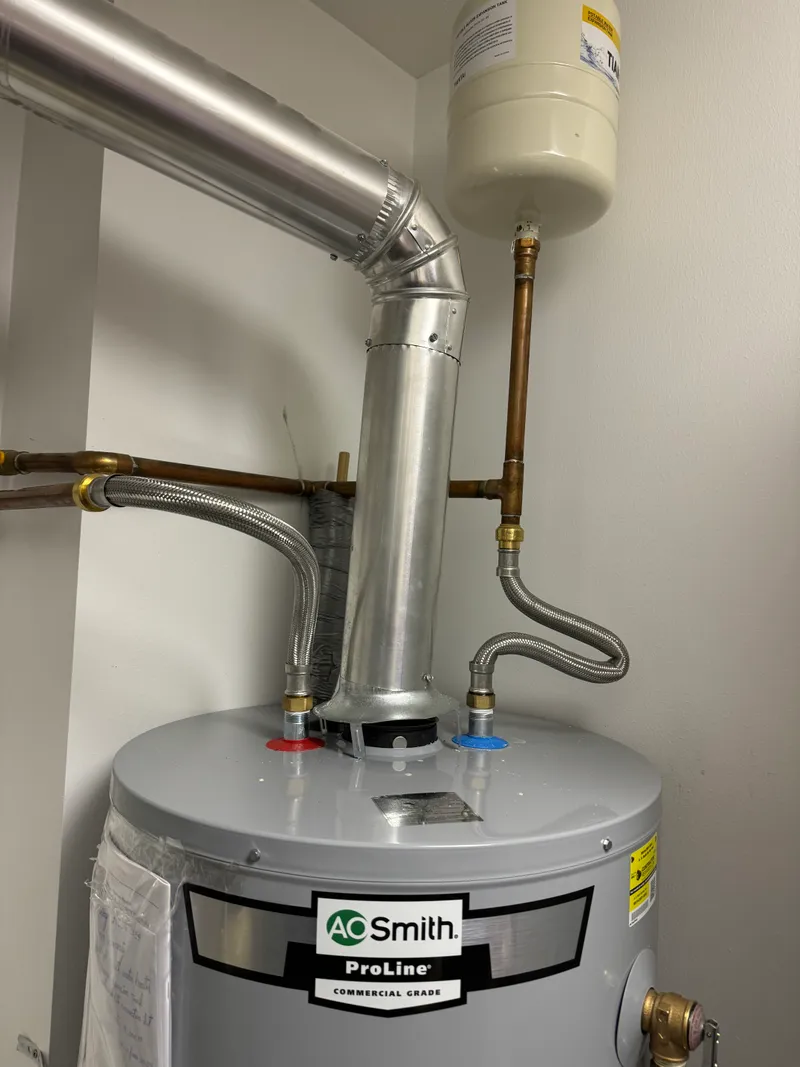
Flush your water heater. Sediment accumulates at the bottom of tank water heaters, especially in Northern Utah where our water has moderate mineral content. Sediment reduces efficiency (the burner has to heat through the sediment layer to reach the water), causes rumbling noises, and accelerates tank corrosion. Attach a hose to the drain valve at the bottom of the tank, run it to a floor drain or outside, and open the valve. Let it flush until the water runs relatively clear. This takes 5 to 10 minutes and should be done annually.
Check CO detectors. Carbon monoxide risk is highest in winter when furnaces, fireplaces, and gas appliances run frequently in tightly sealed homes. Replace batteries in all CO detectors and replace any unit older than 7 years. Make sure you have a CO detector near every sleeping area and near your mechanical room.
HVAC
Schedule a furnace tune-up. Before the heating season starts, have a technician inspect your furnace. A tune-up includes checking the heat exchanger for cracks (cracked heat exchangers leak CO), verifying burner operation, testing safety controls, checking the blower and motor, inspecting the flue pipe, and measuring combustion gases. A furnace tune-up typically costs $80 to $150 and can identify problems before they leave you without heat on a 10-degree night.
Replace the furnace filter. Start the heating season with a fresh filter and check it monthly through winter. Dirty filters restrict airflow, reduce efficiency, and can cause the heat exchanger to overheat.
Test your thermostat. Switch to heating mode and verify the furnace responds. If you have a programmable or smart thermostat, set your winter schedule. A reasonable winter schedule for Northern Utah: 68 degrees when home, 62 degrees when sleeping, 60 degrees when away.
Seal air leaks. Check weather stripping around doors and windows. Add or replace stripping where you can feel drafts. Caulk gaps around window frames, door frames, and where utilities penetrate the exterior wall. These small air leaks add up to significant heat loss when the wind is blowing across the Wasatch Front at 30 mph.
Electrical
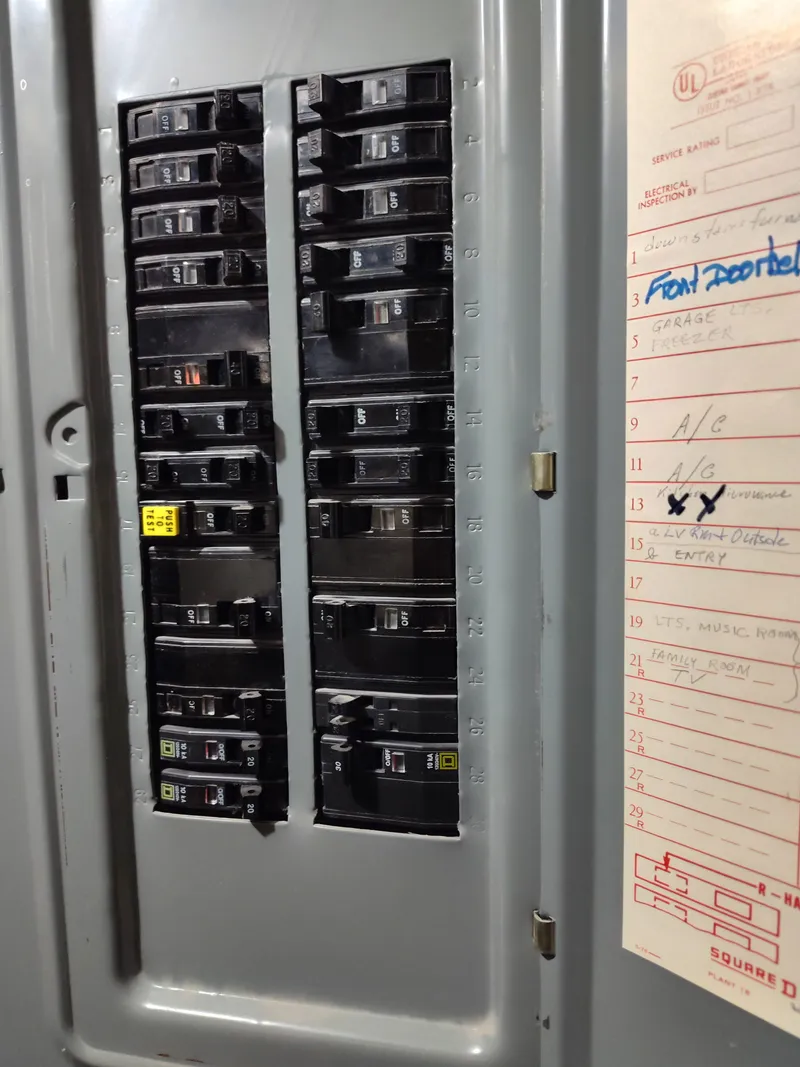
Test smoke detectors and CO alarms again. Yes, twice a year. The fall time change is a traditional reminder.
Check holiday lighting circuits. Before you string holiday lights (and in Utah, we go big on holiday lights), verify that your outdoor circuits are GFCI-protected and that the GFCIs are functional. Do not exceed the rated capacity of extension cords. Use LED holiday lights, which draw a fraction of the power of incandescent and produce almost no heat.
Winter (December through February)
Winter is about vigilance and response. Most winter maintenance tasks are ongoing monitoring rather than one-time projects.
Plumbing
Monitor for frozen pipes. The most vulnerable locations are:
- Pipes in exterior walls (common in Utah homes, especially on north-facing walls)
- Pipes in unheated garages
- Hose bibs that were not properly winterized
- Pipes in crawlspaces, especially during extended cold snaps
If temperatures drop below 0 degrees F (which happens several times each winter along the Wasatch Front), open cabinet doors under kitchen and bathroom sinks on exterior walls to allow warm air to reach the pipes. If you are leaving town, do not set your thermostat below 55 degrees.
Know how to shut off your water. If a pipe does freeze and burst, the single most important thing is shutting off the main water supply quickly. Locate your main shutoff valve now. In most Northern Utah homes, it is in the basement near where the water line enters the house. Make sure every adult in the household knows where it is and how to turn it off. Exercise the valve (turn it off and back on) annually to keep it from seizing.
Exercise your shutoff valves. Every shutoff valve in your home — under sinks, behind toilets, at the water heater, at the washing machine — should be turned off and back on once a year. Valves that sit in one position for years develop mineral deposits that make them impossible to turn when you actually need them. Do this carefully and slowly. If a valve is stuck, do not force it — call a plumber. A valve that breaks off in your hand is worse than a valve that does not move.
HVAC
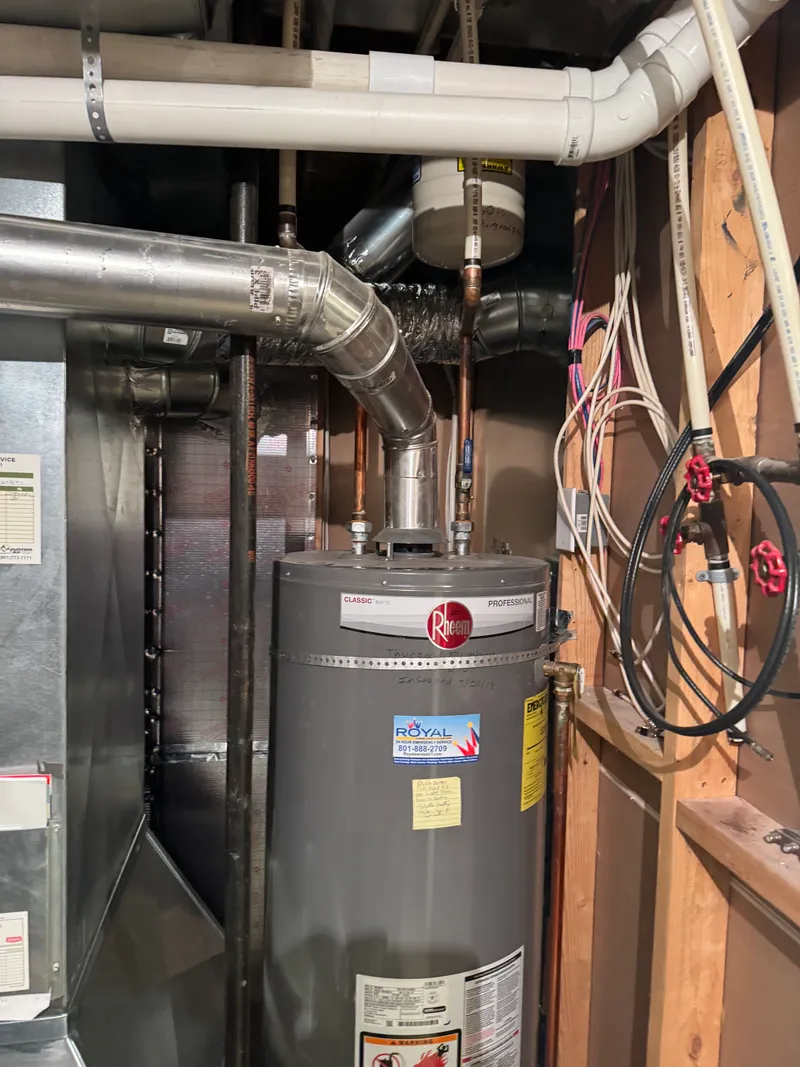
Check the furnace filter monthly. During heating season, your furnace runs frequently and pulls a large volume of air through the filter. In homes with pets, the filter may need replacement every month. Hold the filter up to a light — if you cannot see light through it, replace it.
Clear snow from exhaust vents. High-efficiency furnaces have PVC intake and exhaust pipes that typically exit through the side of the house at low level. Heavy snowfall or drifting can block these pipes. A blocked exhaust vent will shut the furnace down on a safety lockout. After major snowstorms, check that these pipes are clear. Also check the exhaust termination for your tankless water heater if you have one.
Monitor for ice dams. While ice dams are primarily a roofing issue, they are caused by heat loss from the attic, which is related to HVAC ductwork and insulation. If you see thick ice building up at your roof edges and icicles forming, your attic may have insufficient insulation or air sealing issues. Addressing the root cause (attic insulation and air sealing) prevents ice dams and reduces your heating bill.
Electrical
Use space heaters safely. Space heaters are a leading cause of house fires in Utah during winter. If you use them:
- Plug directly into a wall outlet, never an extension cord
- Keep 3 feet of clearance from anything combustible
- Never leave a space heater running while you sleep or leave the house
- Choose a heater with tip-over and overheat auto-shutoff features
Monitor your panel during cold snaps. Extended cold weather means your furnace, possibly space heaters, and electric blankets are all running simultaneously. If you notice breakers tripping, it may indicate overloaded circuits. Do not simply reset the breaker repeatedly — find out why it is tripping.
Seasonal Maintenance Summary
| Season | Key Tasks |
|---|---|
| Spring (Mar-May) | AC tune-up, secondary water system prep and leak check, inspect hose bibs, check sump pump, test GFCIs, foundation grading check |
| Summer (Jun-Aug) | Dryer vent cleaning, monitor AC performance and secondary water usage, clean condenser coils, check washing machine hoses |
| Fall (Sep-Nov) | Furnace tune-up, water heater flush, winterize hose bibs, blow out irrigation system, check CO detectors, seal air leaks |
| Winter (Dec-Feb) | Check furnace filter monthly, monitor for frozen pipes, clear snow from furnace exhaust vents, exercise shutoff valves, use space heaters safely |
The “Do These Now” List
These ten items have the highest impact on safety, efficiency, and long-term cost savings. If you do nothing else from this article, do these.
1. Test Your Home for Radon
Utah has significant radon risk, particularly in foothill communities along the Wasatch Front. Radon is a radioactive gas that seeps up from the soil and accumulates in basements and lower levels. It is the second leading cause of lung cancer after smoking. A test kit from a hardware store costs about $8, or you can buy a continuous digital monitor for $150 to $200. If your result is above 4 pCi/L, professional radon mitigation (a sealed sump and exhaust fan system) costs $800 to $1,500 and reduces levels dramatically.
2. Get a Sewer Camera Inspection If Your Home Is Pre-1980
Homes built before 1980 in Northern Utah may have clay, Orangeburg (tar paper), or early PVC sewer lines that are 45+ years old. Tree root intrusion, bellied pipe, and joint separation are common. A sewer camera inspection costs $150 to $300 and tells you exactly what you are dealing with before a sewer backup forces an emergency repair.
3. Flush Your Water Heater Annually
Sediment buildup is the silent killer of water heaters. An annual flush takes 10 minutes and extends tank life by years.
4. Exercise Your Shutoff Valves
Turn every shutoff valve in the house off and back on once a year. A valve you cannot turn off in an emergency is not a shutoff valve — it is a decoration.
5. Add a Service Line Insurance Endorsement
Most homeowner’s insurance policies do not cover the water or sewer line between your house and the street. This is your line and your responsibility. A service line endorsement typically costs $50 to $100 per year and covers repair or replacement of buried utilities on your property. Given the age of infrastructure in many Wasatch Front neighborhoods, this is worthwhile.
6. Install Whole-Home Surge Protection
A Type 2 surge protector at your main panel costs $200 to $500 installed and protects every circuit in your home from power surges. Between Utah thunderstorms, grid switching events, and PSPS restorations, this is one of the highest-value electrical upgrades you can make.
7. Verify Water Heater Strapping
The Wasatch Fault runs through our service area. Your water heater should have two straps, upper and lower thirds, secured to wall framing. If it is unstrapped, strap it. If you are not sure, check it today.
8. Walk Your Foundation Grading
Grab a 10-foot level or a long straight board. The soil should slope away from your foundation at a minimum of 6 inches over 10 feet. Improper grading is the number one cause of wet basements in Northern Utah.
9. Locate and Label Your Shutoffs
Label your main water shutoff, gas shutoff (at the meter), and electrical main breaker. Put a tag on each one that says what it controls. Make sure every adult in the household knows where they are. Keep a gas shutoff wrench at the gas meter.
10. Test GFCIs and CO/Smoke Alarms Monthly
Press the TEST button on every GFCI outlet, every CO detector, and every smoke alarm in your home once a month. It takes five minutes and verifies that the safety devices you are relying on actually work.
We Are Here to Help
This is a long list, and it can feel overwhelming. The good news is that most of these tasks are simple and inexpensive. The ones that require professional help — furnace tune-ups, AC service, sewer camera inspections, electrical panel evaluations, surge protector installation — are routine work that our team handles every day across Northern Utah.
Whether you need plumbing service, HVAC maintenance, or electrical work, our licensed professionals serve homeowners from Logan to Lehi and everywhere along the Wasatch Front. Call us at (385) 401-9490 or contact us online to schedule any of the professional services mentioned in this checklist.
Your home is your biggest investment. A few hours of maintenance each season keeps it safe, efficient, and valuable for years to come.
Topics