Secondary Irrigation Water in Utah: What Every Homeowner Must Know
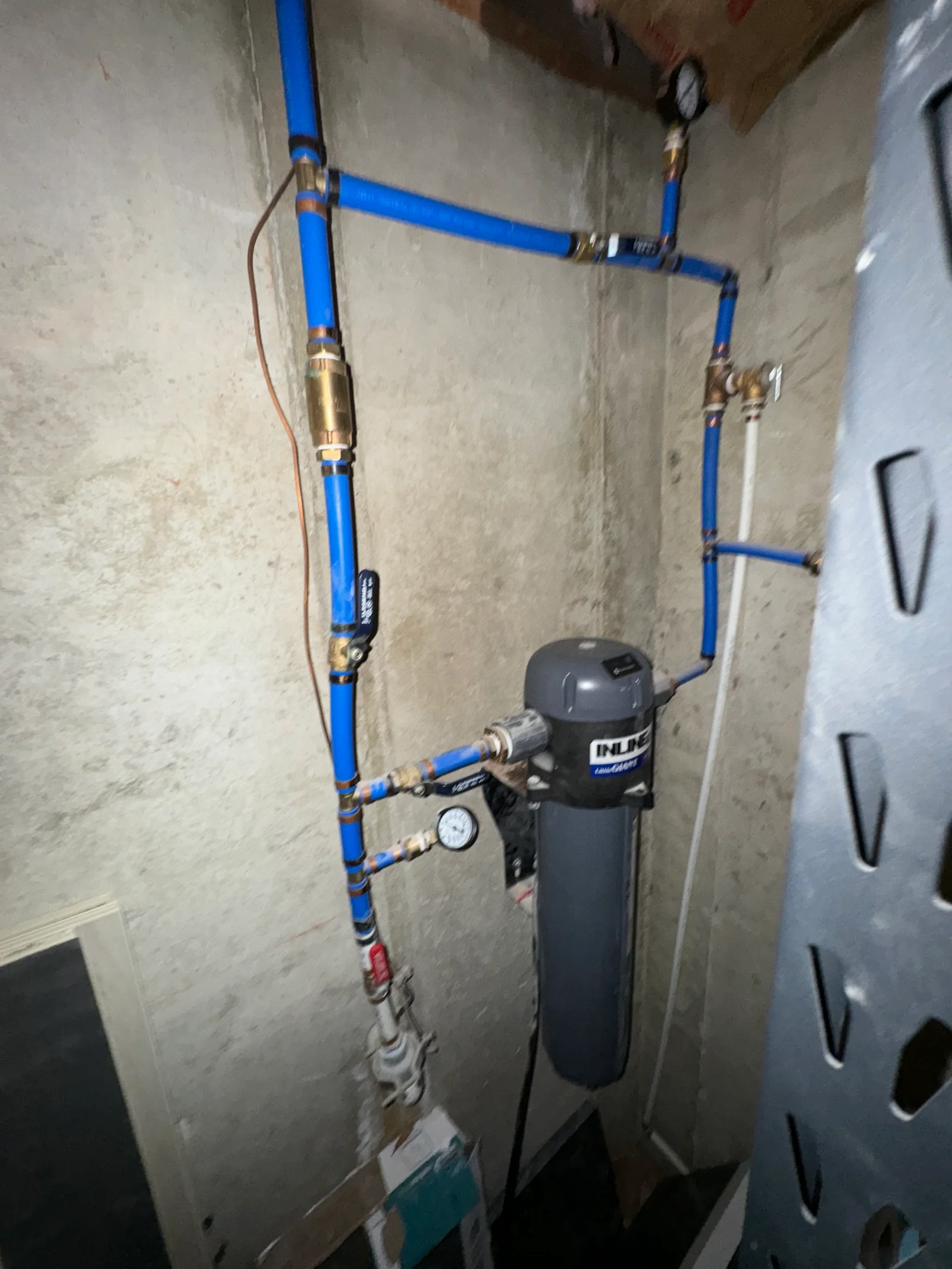
If you’ve moved to Utah from out of state, there’s a good chance your home has a feature you’ve never encountered before: two completely separate water systems. One delivers treated, drinkable culinary water to your kitchen, bathrooms, and appliances. The other — called secondary water, pressurized irrigation (PI), or sometimes just “irrigation water” — delivers raw, untreated surface water to your sprinkler system and yard.
This dual-system setup is common across the Wasatch Front, from Ogden and Layton through Bountiful, Salt Lake City, Sandy, Riverton, and into Utah County. It’s an efficient way to use limited water resources in a desert state, but it comes with rules, risks, and responsibilities that every homeowner needs to understand. I’ve seen the consequences when people don’t — flooded basements, contaminated drinking water, and code violations that create real legal liability.
Here’s everything you need to know.
Key Takeaways
- Most Utah homes along the Wasatch Front have two completely separate water systems: treated culinary water for indoor use and untreated secondary (irrigation) water for landscaping.
- Secondary irrigation water is raw, untreated surface water from canals and reservoirs — it is not safe to drink, bathe in, or fill pools with.
- Spring turn-on between April 1 and April 15 is the most common time for basement flooding; close your secondary shut-off valve before the scheduled pressurization date.
- Cross-connections between secondary and culinary water systems are illegal under Utah code and the federal Safe Drinking Water Act, and can contaminate an entire neighborhood’s drinking water.
- HB 242 requires all secondary water connections in Utah to be individually metered by January 1, 2030, shifting billing from flat-rate to usage-based.
What Secondary Water Actually Is
Secondary water is untreated surface water drawn from canals, reservoirs, rivers, and streams. It’s distributed through a completely separate pipe network from your culinary (drinking) water. It’s typically managed by local irrigation companies or water conservancy districts, not the same entity that provides your drinking water.
This water has not been filtered, chlorinated, or treated in any way. It may contain sediment, algae, bacteria, agricultural runoff, and whatever else washes into the source. It’s perfectly fine for watering your lawn and garden, but it is absolutely not safe to drink, cook with, bathe in, or fill kiddie pools with.
I want to be very clear on that last point because I’ve seen it happen: do not fill wading pools, splash pads, or any recreational water feature with secondary irrigation water. Do not let children drink from a hose connected to the secondary system. The health risks are real and include giardia, E. coli, and other waterborne pathogens.
How to Identify Your Secondary System
Most homes with secondary water have two separate water meters (or a meter and a valve box) near the street. Your secondary system typically has:
- A separate shut-off valve — usually a gate valve or ball valve in a valve box near your property line
- Purple pipe or purple valve covers — the universal color code for non-potable/reclaimed water, though not every older system follows this convention
- A separate set of supply lines running to your sprinkler system only
- No connection whatsoever to any indoor plumbing, hose bibs, or potable water fixtures
If you’re not sure whether your home has secondary water, check your utility bill — you may see separate charges for culinary and secondary water. You can also call your city’s public works department or check with your HOA. In newer subdivisions across South Jordan, Herriman, Saratoga Springs, and Eagle Mountain, secondary water is nearly universal.
Cross-Connections: The Most Dangerous Mistake
A cross-connection is any physical link between the secondary irrigation system and your culinary water system. This is illegal under Utah code and federal Safe Drinking Water Act regulations, and it’s one of the most dangerous plumbing configurations that exists.
Here’s why it matters. Water systems operate on pressure. If the secondary system’s pressure ever exceeds your culinary pressure — which can happen during pressure fluctuations, water main breaks, or system shutdowns — untreated irrigation water can backflow into your drinking water supply. Not just your supply. Depending on conditions, it can backflow into the municipal culinary system and affect your entire neighborhood.
This is not theoretical. Cross-connection contamination events have happened in Utah communities. They’re the reason water districts take this so seriously.
Common cross-connection mistakes I encounter:
- Connecting a garden hose from a culinary hose bib to fill or supplement the secondary system
- Installing a “backup” connection so sprinklers can run off culinary water when secondary is off
- Plumbing a secondary supply line to a hose bib or utility sink for washing equipment
- Previous homeowners making unauthorized connections that current owners don’t even know about
If you discover a cross-connection on your property, do not use it. Have it properly disconnected by a licensed plumber immediately. Your water district can fine you, and more importantly, you’re putting your family and your neighbors at risk.
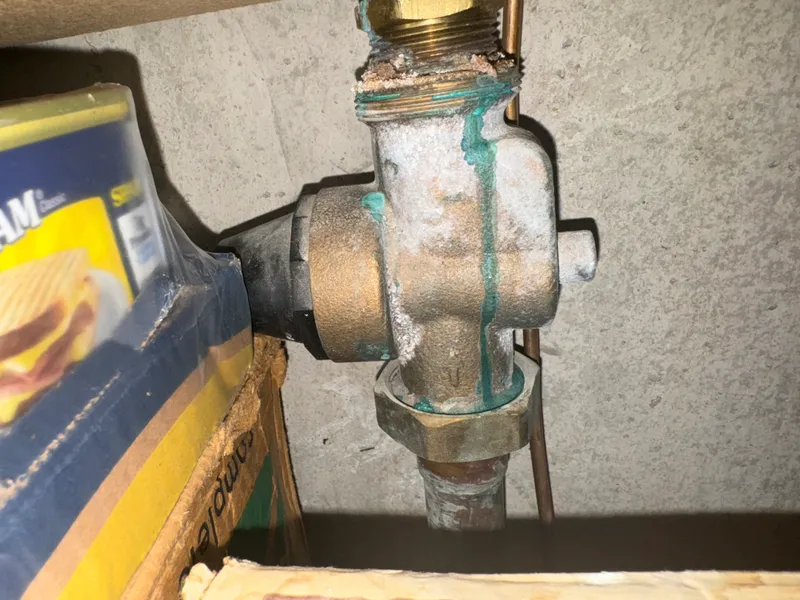
Your culinary water system should have a properly installed and annually tested backflow prevention device where it enters your property. This is your last line of defense. If you have both culinary and secondary water, make sure that backflow preventer is in place and current on its testing.
Spring Turn-On: The Season Basements Flood
This is the section I wish every Northern Utah homeowner would read and take seriously. Every year between April 1 and April 15 (the exact date varies by district), secondary irrigation systems are pressurized for the season. And every single year, that’s when my phone rings with flooded basements.
Here’s what happens. The secondary system has been off and depressurized all winter. During that time, valves can shift, seals can dry out, and pipes that were marginal going into winter may have cracked from frost. When the district turns the system back on and pressurizes those lines, any weakness in the system becomes an active leak — instantly.
If you have a valve that was left open, or a line that developed a crack, you’ll have pressurized water flowing somewhere it shouldn’t be. If that’s in your basement mechanical room, you can have significant water damage before you even realize the system is on.
How to protect yourself every spring:
-
Close your main secondary shut-off valve BEFORE the scheduled turn-on date. This is the single most important step. Know where your secondary shut-off is (usually in a valve box near the street or at the side of your house) and make sure it’s fully closed before the district pressurizes the system.
-
After the system is pressurized, open your valve slowly. Go to the shut-off and open it just a quarter turn. Wait. Listen for water flowing. Walk your property and check for any obvious leaks — wet spots in the yard, water appearing in the basement, sprinkler zones activating unexpectedly.
-
Open it fully only after confirming no leaks. Once you’ve checked everything, open the valve the rest of the way. Turn on each sprinkler zone individually and verify they’re all working correctly.
-
Check your filters. Most secondary systems have an inline filter (often a Y-strainer or screen filter) at or near where the supply enters your property. After the spring turn-on, this filter will clog frequently because the system flushes out accumulated sediment from winter. Plan to clean this filter weekly for the first month of the season, then monthly after that. A clogged filter will starve your sprinkler system of pressure and can cause the filter housing to crack.
-
Inspect all above-ground components. Check backflow preventers, vacuum breakers, valves, and any exposed pipe for damage from winter freezing.
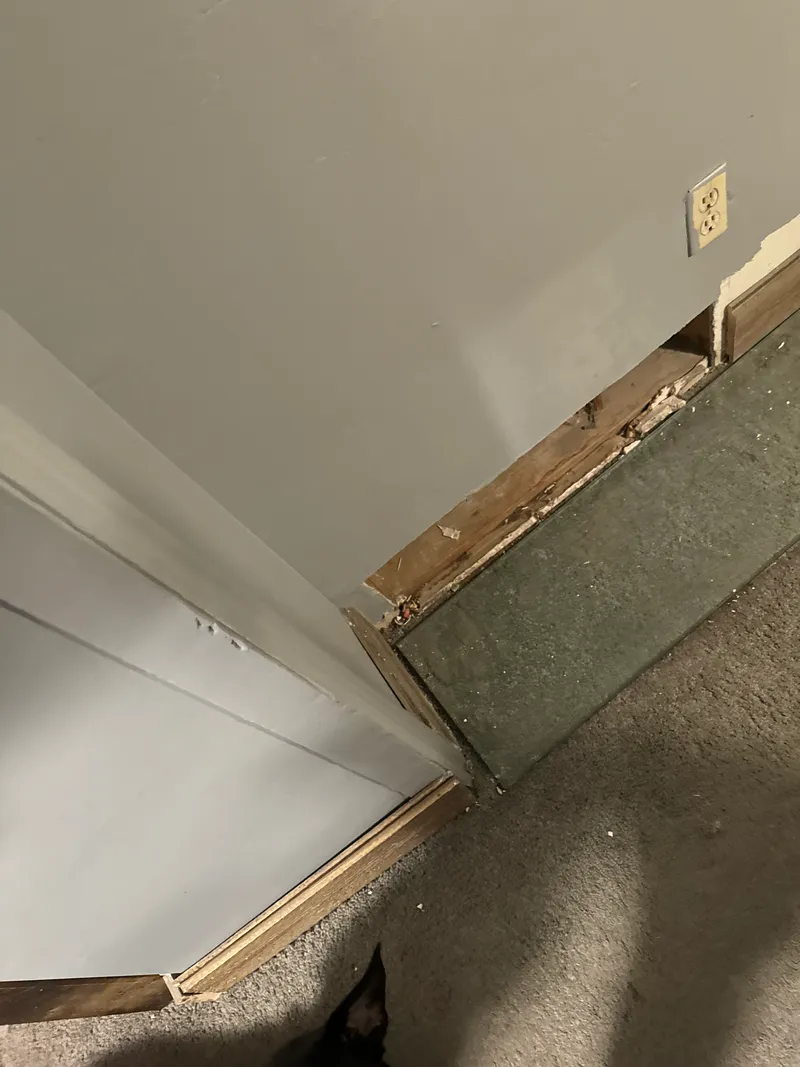
I cannot stress enough how common spring turn-on flooding is. Every year I see homeowners in West Jordan, Draper, Lehi, and across the valley dealing with water damage that would have been completely preventable if they’d simply closed that valve before the turn-on date. Your irrigation district typically sends a notice or posts the date on their website. Pay attention to it.
Fall Shutdown: Winterizing Your System
Just as important as the spring turn-on is the fall shutdown, typically between October 15 and November 1 along the Wasatch Front.
Steps for proper winterization:
- Close the main secondary shut-off valve once you receive notice that the system is being depressurized.
- Run each sprinkler zone briefly to bleed remaining pressure from the lines.
- Blow out the system with compressed air if possible. This is especially important for any above-ground or shallow-buried components that could freeze. Many homeowners hire a sprinkler company for this, and it’s money well spent — typically $40-75 for a standard residential system.
- Remove or protect backflow preventers and vacuum breakers. These are the components most vulnerable to freeze damage. Some can be drained in place; others should be removed and stored indoors.
- Leave the drain port open on any stop-and-waste valves in the secondary system so trapped water can drain rather than freeze and crack the pipe.
HB 242: The Metering Mandate
Here’s something every Utah homeowner with secondary water needs to know about. In 2022, the Utah Legislature passed House Bill 242, which requires all secondary water connections across the state to be individually metered by January 1, 2030.
Historically, most secondary water has been delivered as a flat-rate service — you pay a fixed annual or monthly fee regardless of how much you use. There’s been no meter and no usage tracking. As you might imagine, this has led to significant overuse. Studies have shown that secondary water users in Utah often apply two to three times more water than their landscapes actually need.
The metering mandate changes this. Here’s what it means for you:
- Your irrigation district will be installing a meter on your secondary connection sometime between now and 2030 if they haven’t already.
- Pricing will eventually shift from flat-rate to usage-based, similar to how culinary water is billed.
- You may need to provide access to your secondary connection point for meter installation.
- Your water costs may increase if you’ve been over-irrigating, or they may decrease if you’re already conservative with water use.
This is a good time to evaluate your irrigation system’s efficiency. Smart controllers that adjust watering based on weather data, drip irrigation for garden beds, and properly adjusted sprinkler heads can dramatically reduce water use. Many water districts offer rebates for upgrading to water-efficient irrigation equipment.
Utah Landscaping Water Restrictions
Related to the metering push, Utah has implemented landscaping water use restrictions that affect both new construction and existing homes:
- New developments are subject to limits on the percentage of landscaping that can be traditional turf grass. The 2022 legislation (SB 110) restricts water-intensive landscaping in new commercial and residential common-area developments.
- Watering schedules are enforced in many Wasatch Front communities. Check your city’s specific rules, but most restrict watering to certain days of the week and prohibit daytime watering (typically no watering between 10 AM and 6 PM).
- Parking strip (park strip) regulations — many cities now prohibit or discourage turf grass in the strip between the sidewalk and street, encouraging water-wise alternatives instead.
These rules are likely to become stricter as Utah continues to address its long-term water supply challenges. Investing in water-efficient landscaping now is both environmentally responsible and financially smart.
Secondary Water Key Dates and Characteristics
| Culinary Water | Secondary (Irrigation) Water | |
|---|---|---|
| Source | Treated municipal supply (wells, reservoirs) | Untreated surface water (canals, rivers, streams) |
| Treatment | Filtered, chlorinated, tested daily | None — raw water delivered as-is |
| Safe to drink | Yes | No — may contain giardia, E. coli, agricultural runoff |
| Available | Year-round | Seasonal only (typically April through October) |
| Spring turn-on | N/A | April 1-15 (varies by district) |
| Fall shutdown | N/A | October 15 - November 1 |
| Metering | Already metered and billed by usage | Flat-rate currently; metered by Jan 1, 2030 (HB 242) |
| Typical annual cost | Usage-based ($300-$800+/year) | Flat-rate ($75-$250/year, shifting to usage-based) |
| Backflow prevention | Required at service entrance | Required — cross-connections are illegal |
Secondary Water Quality Issues
Beyond the safety concerns of drinking untreated water, secondary water quality can cause practical problems for your irrigation system:
Sediment and debris. Secondary water often carries fine sand, silt, and organic material that can clog sprinkler nozzles, drip emitters, and valves. A good filtration system at the point of entry is essential. Screen filters in the 100-150 mesh range work well for most sprinkler systems. Drip irrigation may require finer filtration.
Algae growth. During warm months, algae can bloom in the water supply, clogging filters rapidly. If you notice green slime in your filter or reduced sprinkler performance mid-summer, algae is likely the culprit. More frequent filter cleaning is the primary remedy.
Mineral content. Like culinary water in Northern Utah, secondary water can be high in minerals. Over time, this can leave white deposits on hardscape, fences, and anything the sprinklers hit. Adjusting your sprinkler heads to minimize overspray onto structures helps.
Variable pressure. Secondary systems often have more pressure variation than culinary water, especially during peak demand (hot summer evenings when everyone is watering). This can affect sprinkler coverage. Pressure-regulated sprinkler heads help maintain consistent performance.
What to Do If You Suspect a Problem
If you notice any of the following, don’t wait — get it checked:
- Water in your basement or crawl space around the time secondary water turns on
- Unexplained wet spots in your yard during the irrigation season
- A significant change in water pressure on either system
- Discolored water from a culinary tap — this could indicate a cross-connection
- Your secondary filter clogging much more frequently than usual — could indicate a line break pulling in soil
- Your water bill spiking without a change in usage patterns
Some of these issues are emergencies. If you suspect any connection between your secondary and culinary systems, or if you have water actively flowing where it shouldn’t be, call a licensed plumber immediately.
Frequently Asked Questions
Can I use secondary water for anything other than irrigation? It’s intended exclusively for outdoor landscape irrigation. Some people use it for washing driveways or equipment, but avoid any use where it could be ingested or contact skin for extended periods. Never use it for vegetable gardens where the water directly contacts edible portions of the plant — root vegetables and low-growing produce especially. Drip irrigation to the root zone of fruit trees and raised garden beds is generally considered acceptable.
My home doesn’t have secondary water. Can I get it? This depends on whether your area has a secondary system and whether capacity is available. Contact your local irrigation district or city public works department. Adding a secondary connection to an existing home where the infrastructure exists typically costs $1,500-$5,000 depending on the distance from the main and the complexity of the installation.
What happens if my secondary line breaks under my driveway or house? This is unfortunately common in older systems. The secondary line is your responsibility from the connection point to your sprinkler system. Depending on the location and depth, repair can range from a simple excavation and pipe repair ($300-$800) to a more involved project if the line runs under concrete or structures ($1,500-$5,000+). A licensed plumber can help locate the break and determine the best repair approach.
Who is responsible for the meter installation under HB 242? The irrigation district or water provider is responsible for installing the meters and bearing the installation cost. However, you’re responsible for providing reasonable access to your secondary connection point. If your current connection is buried, obstructed, or located in a way that makes meter installation difficult, you may need to work with the district on access.
Protect Your Home and Stay Compliant
Utah’s secondary water system is a practical solution for a state with limited water resources, but it requires homeowners to understand and maintain their part of the system. The stakes are real — from flooded basements and contaminated drinking water to code violations and future metering requirements.
If you have questions about your secondary water system, need help with spring turn-on preparation, or want to make sure your system is properly configured with no cross-connections, our plumbing team is here to help. We work across the Wasatch Front and understand the specific systems and regulations in communities from Ogden to Provo.
Call us at (385) 401-9490 or contact us online to schedule a consultation. We’d rather help you get ahead of a problem than deal with the aftermath.
Topics